







There are certain names that become larger than life. Jean-Michel Basquiat is one of them.
Mention Basquiat today and people immediately think of the artwork, the record-breaking auction prices, the New York art scene of the 1980s, and the tragic reality that his life ended at just 27 years old. His influence has only grown in the decades since his death, making him one of the most recognizable artists in modern history.
But according to producer Dan Fried, the goal of Jean-Michel wasn’t to tell audiences what they already knew. It was to show them what they didn’t.
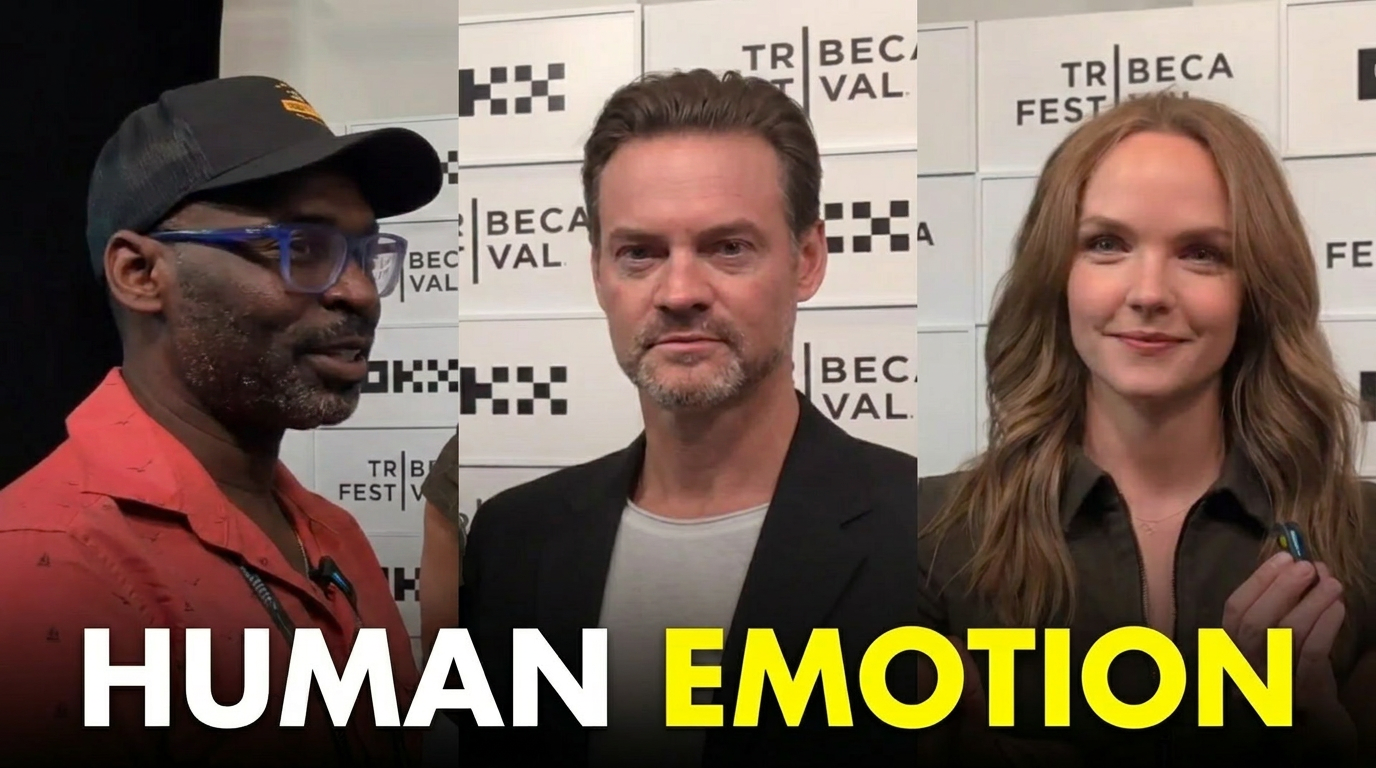
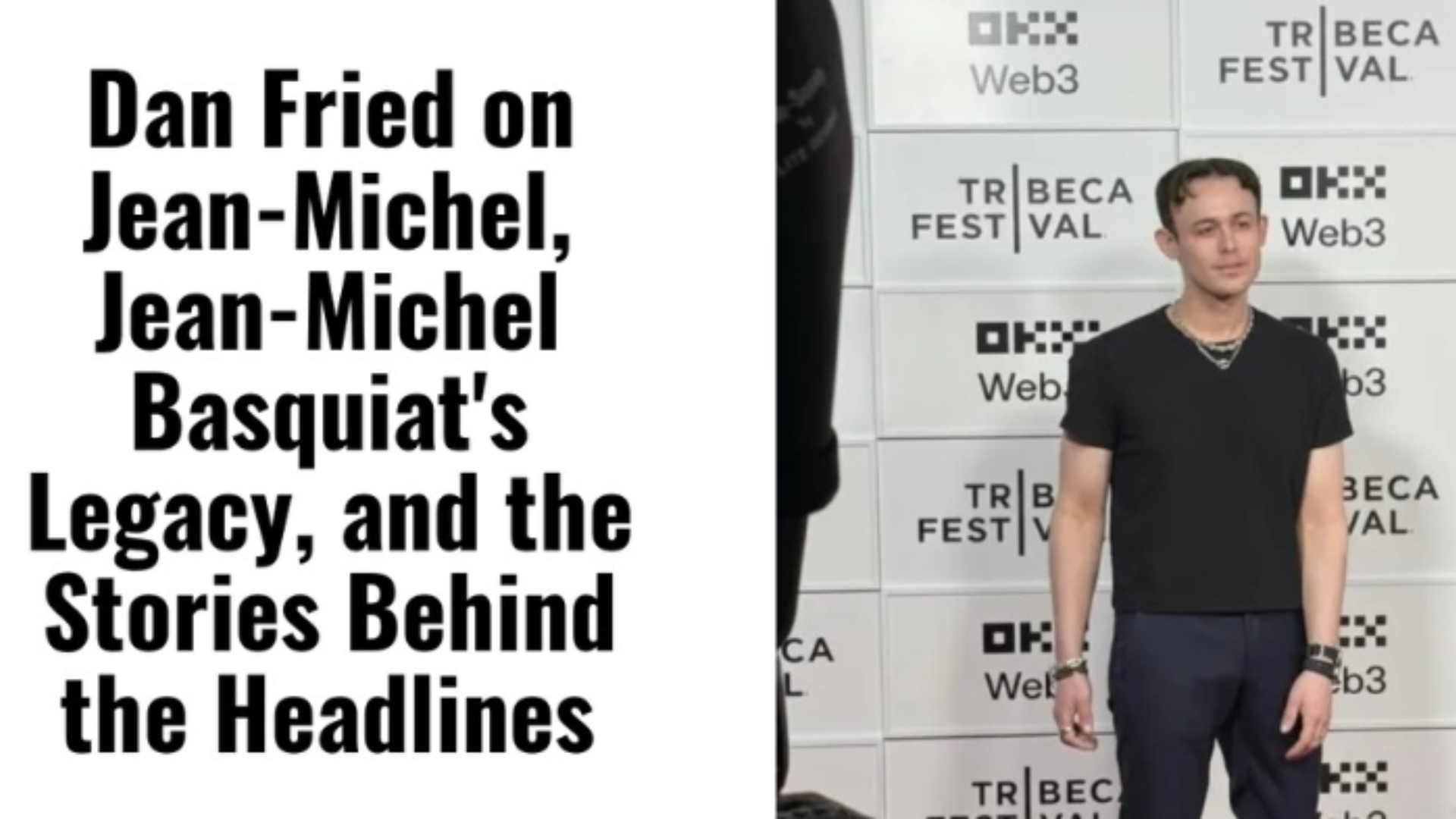
When Fried joined me during my coverage of the Tribeca Festival, he spoke about the documentary’s unique approach to telling Basquiat’s story—one rooted not in headlines or public perception, but through the perspective of those who knew him best.
“To be able to hear it and have a story told authoritatively through the eyes of his family was very unique,” Fried explained.
That perspective was one of the main reasons he was drawn to the project.
While researching Basquiat before our conversation, I found myself going down the same rabbit hole many people do. You learn about his childhood, his rise through New York’s graffiti scene under the name SAMO, his relationship with Andy Warhol, and the extraordinary value his artwork commands today.
But somewhere along the way, it’s easy to forget there was a person behind the icon.
That’s what Fried believes makes Jean-Michel stand apart.
“A lot of people have perspectives of public figures,” he said. “It’s just what they read in the headlines, what they’ve heard.”
As we continued talking, our conversation shifted toward Basquiat’s early graffiti work. One thing that stood out to me while researching him was how intentional his messages were. Like many people, when I hear stories about graffiti artists, I sometimes catch myself making assumptions. But the more I learned about Basquiat and his work with Al Diaz as SAMO, the more I realized there was purpose behind every message.
Many of the themes he explored decades ago—race, inequality, identity, and social injustice—still resonate today.
Fried pointed to that intentionality as a defining characteristic of Basquiat’s work.
“He was very intentional with where he placed his art,” Fried said.
Operating long before social media existed, Basquiat had to make every placement count.
“He had to be very specific with his placements and his messaging to really make sure people saw it and heard what he was trying to say.”
Hearing Fried describe it that way gave me a greater appreciation for Basquiat’s work. The art wasn’t simply meant to be seen. It was meant to communicate.
And perhaps that’s why it continues to speak to people all these years later.
There was also something fitting about Jean-Michel making its debut at Tribeca.
Basquiat was a New York artist through and through. Premiering a documentary about his life in New York, during one of the city’s most celebrated festivals, felt almost poetic.
For Fried, the significance wasn’t lost.
“It’s the twenty-fifth anniversary of Tribeca. It’s a New York artist, arguably one of the most famous New York artists,” he said.
Then he put it in terms any sports fan could understand.
“It’s like the Knicks playing a finals game at home.”
Of course, Basquiat wasn’t the only subject we discussed.
Fried was also involved with Are We Good, the Tribeca documentary centered on comedian and podcasting pioneer Mark Maron.
As someone who will celebrate twenty years of BuzzWorthy Radio next year, I couldn’t help but bring up Maron. Long before podcasting became a mainstream industry, Maron was helping shape what the medium could become. His influence on countless creators—including many who may not even realize it—is impossible to ignore.
What intrigued Fried about Are We Good, however, wasn’t Maron’s career. It was the deeply personal story at the center of it.
“It’s really the opportunity to tell the story of incredible loss of a partner,” Fried said.
The film examines how Maron navigates grief while continuing to do what he does professionally: make people laugh.
“How do you reconcile those two things?” Fried asked.
It’s a powerful question, and one that immediately made me want to see the film.
The more Fried spoke, the more a common thread emerged between both projects. Whether discussing Basquiat or Maron, he seemed most interested in exploring the humanity that exists beneath public personas.
That philosophy ultimately led him to launch Laurel Canyon Pictures, a filmmaker-first production company focused on premium nonfiction storytelling.
“We are a filmmaker-first company,” Fried said.
For him, documentaries aren’t secondary to narrative films. In many ways, they can be just as powerful.
“A really well-crafted, really well-executed piece of premium nonfiction can stand up to any of the best narrative features.”
After speaking with Fried, it’s easy to understand why he’s drawn to projects like Jean-Michel and Are We Good.
Neither is interested in repeating what audiences already know. Instead, they ask viewers to look a little closer. And sometimes, that’s where the most compelling stories are found.
Watch the full interview with Dan Fried in the player above.