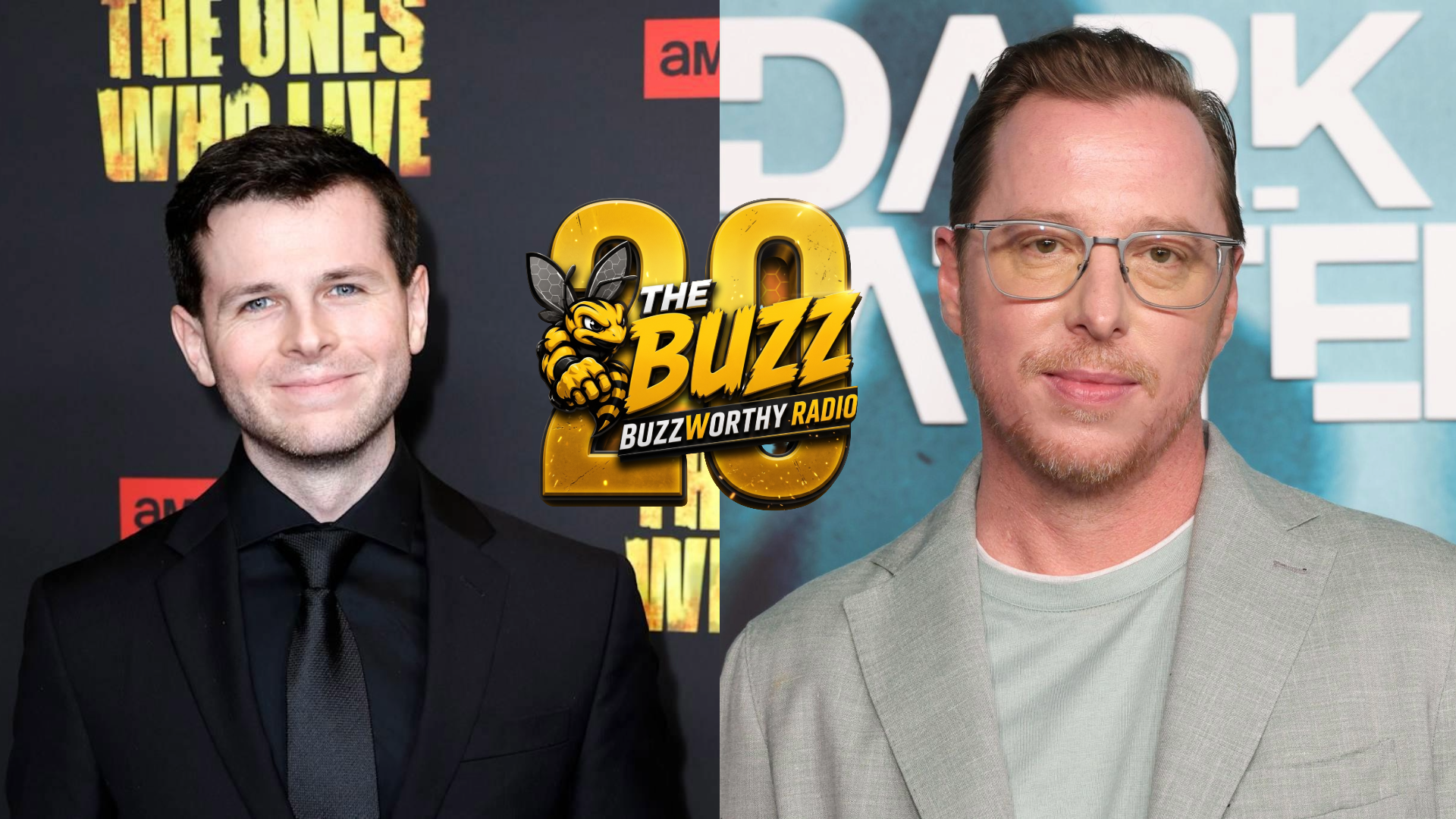







There is something amusing about having two people named Buzz in the same conversation, especially when both have built entertainment platforms around the name. However, when Buzz Leer joined The Buzz – BuzzWorthy Radio, the conversation became much more than a meeting between two hosts. It became an exploration of how entertainment continues to evolve, how audiences embrace new formats, and why creators must be willing to adapt to an ever-changing industry.
Leer, an actor and the host of The Vertical Buzz, has found himself at the forefront of an emerging entertainment movement. Vertical dramas, also known as microdramas, have rapidly developed into a growing industry, attracting millions of viewers through stories designed specifically for smartphones. While the concept initially seemed unusual to some audiences, its popularity has created opportunities for actors, filmmakers, production companies, and brands looking to reach viewers in a different way.
For Leer, the journey began unexpectedly in 2023 when he arrived on the set of a production without realizing it would be filmed vertically. With a small cast, limited equipment, and several iPhones being used as cameras, he quickly discovered a format that would eventually become a major part of his professional life.
As opportunities continued to grow, Leer found himself working on multiple vertical productions, sometimes juggling several projects within the same period. His increasing involvement also led to a realization: while the industry was expanding, there were few platforms dedicated to documenting its development and the people responsible for its success.
That realization inspired the creation of The Vertical Buzz, a show designed to explore not only the actors and filmmakers involved in vertical dramas but also the broader ecosystem surrounding the format.
A New Way of Telling Stories
Throughout the conversation, Leer emphasized that vertical entertainment should not necessarily be viewed as a replacement for traditional television or film. Instead, it represents another avenue through which audiences can experience storytelling.
As smartphones have become an essential part of everyday life, audiences have increasingly embraced content designed specifically for mobile viewing. Platforms such as TikTok and Instagram have helped establish vertical video as a familiar format, while dedicated microdrama applications have expanded its possibilities through serialized storytelling.
The similarities between vertical dramas and traditional soap operas were also part of the discussion. Both rely heavily on continuing storylines, dramatic developments, and cliffhangers that encourage viewers to return for the next installment. However, vertical dramas introduce a different viewing and payment experience, frequently offering several episodes for free before requiring viewers to pay to continue watching.
That approach has helped build a passionate audience, something Leer has experienced firsthand through his acting work. He described the extraordinary support vertical drama fans provide, including personal messages, gifts, and consistent engagement with their favorite performers.
I also reflected on his interview with actor Ryan Ray Vincent, which generated an especially enthusiastic response from the vertical drama community. The experience offered another example of how invested audiences have become in the performers and stories associated with the format.
Representation and New Opportunities in Vertical Entertainment
One of the conversation’s most significant moments centered on representation within the vertical entertainment industry.
Leer addressed concerns about racial disparities in casting and discussed how prominent entertainment figures have recognized opportunities to expand representation through their own vertical storytelling ventures.
Among those mentioned were Tyler Perry, Taye Diggs, and Issa Rae, whose involvement in the space reflects a growing interest in developing content for audiences who have not always been adequately represented in emerging entertainment formats.
The discussion highlighted an important consideration as vertical entertainment continues to grow: expansion is not solely about attracting viewers or developing new platforms. It also involves ensuring that different communities have opportunities to participate in the stories being told, both in front of and behind the camera.
For an industry still establishing its identity, those conversations are an essential part of understanding its development.
Twenty Years of Podcasting Meets the Vertical Revolution
Perhaps one of the most interesting aspects of the interview was the connection between the rise of vertical entertainment and the early years of podcasting.
As The Buzz – BuzzWorthy Radio celebrates its 20th season, I reflected on beginning his podcasting journey in 2006, when the medium was still developing and the technology available to independent creators was considerably more limited.
During those early years, recording a podcast without access to a professional studio required finding alternative solutions. I recalled using telephone-based recording technology to produce shows, long before today’s sophisticated recording platforms and video podcasting capabilities became widely accessible.
That experience provided an interesting parallel to the current vertical entertainment movement. Much like podcasting in its infancy, vertical storytelling is developing its own identity while attracting creators who recognize its potential.
Our discussion also touched on the history of television, including the influence of Lucille Ball and Desi Arnaz on the development of filmed television production and reruns. The larger point was clear: entertainment has always evolved through technological developments and creative experimentation.
Rather than eliminating existing formats, new platforms often provide additional ways for audiences to discover stories.
Hollywood’s Changing Production Landscape
The conversation eventually shifted toward another major development affecting the entertainment industry: the relocation of television and film productions away from Los Angeles.
With productions increasingly considering locations such as Atlanta, New Jersey, Canada, and other markets, Leer discussed how these decisions can affect working actors who do not necessarily have the same opportunities or resources as major Hollywood stars.
While established performers may travel wherever a production is filming, supporting actors frequently depend on opportunities available within their local markets. As productions relocate, those opportunities can become more difficult to navigate.
I asked Leer directly how he felt about these changes as an actor, opening a discussion about the practical challenges of maintaining a career in an industry without a single dominant production center.
For Leer, the changing landscape has also influenced how he approaches The Vertical Buzz. Although he prefers recording interviews in a studio, he has considered traveling to different production markets to connect with guests and continue documenting the industry’s development.
The discussion reinforced how entertainment’s evolution affects more than the finished content audiences watch. It also changes how performers, creators, and production teams build and sustain their careers.
Finding Your Place in an Evolving Industry
Despite the challenges associated with change, Leer remains enthusiastic about the direction of his career and the opportunities created through The Vertical Buzz. Drawing on his experiences in acting, television hosting, marketing, and podcasting, he described how his current work brings together skills developed throughout different stages of his professional life.
His passion for documenting the vertical entertainment industry was evident throughout the conversation, particularly when discussing its future possibilities and the people helping shape its identity.
For me, who has witnessed nearly two decades of podcasting’s evolution, the conversation offered a familiar perspective. What begins as an unfamiliar format can eventually become an established part of the entertainment landscape, provided creators and audiences are willing to explore its possibilities.
Watch or listen to the complete interview with Buzz Leer on The Buzz – BuzzWorthy Radio, available on Spotify, YouTube, and your favorite podcast platforms.