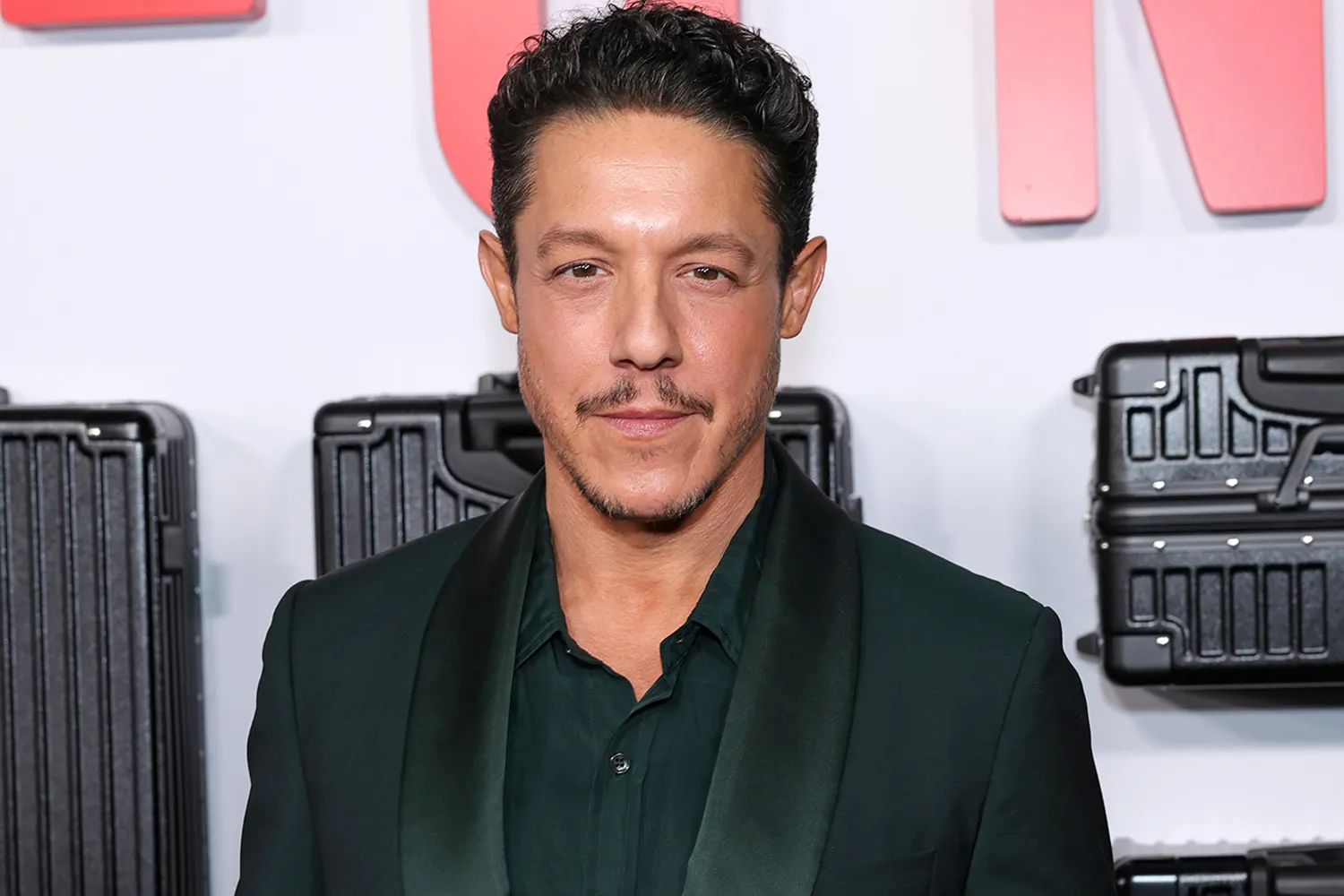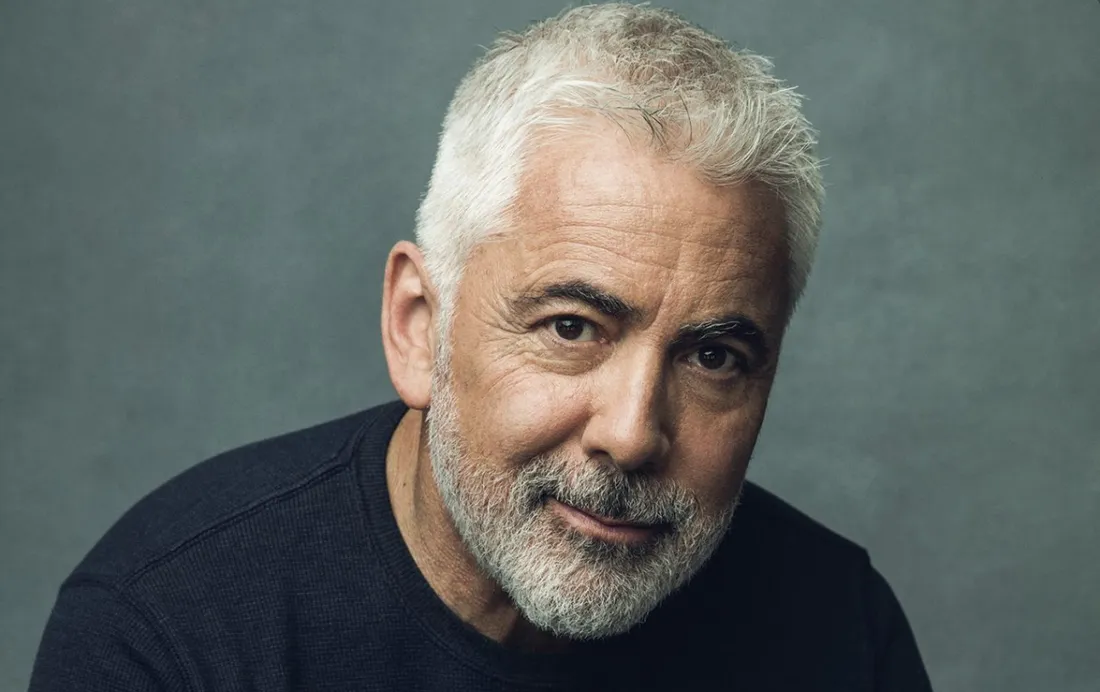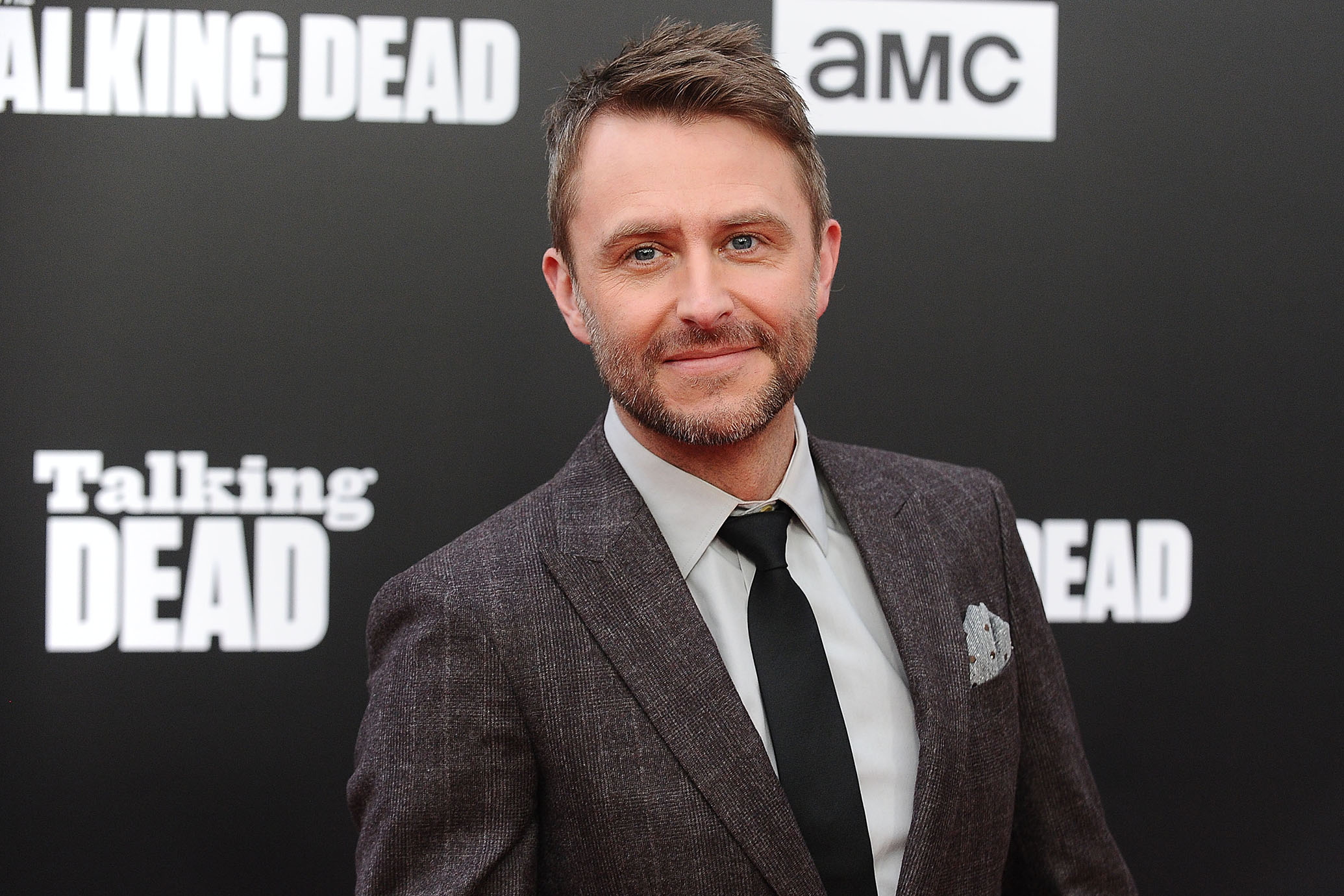









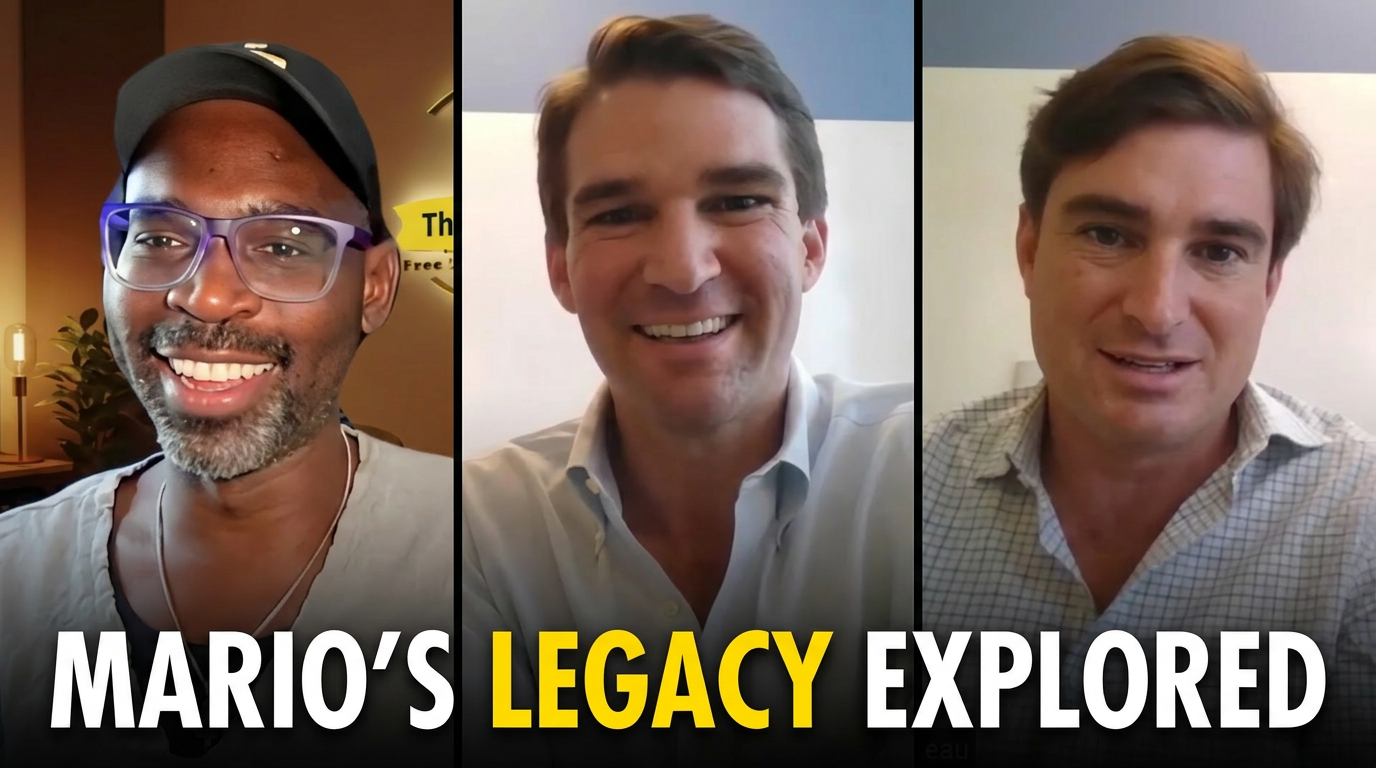
Before the Tribeca Festival premiere of Mario, filmmakers George and Teddy Kunhardt offered a rare look behind their new documentary exploring the life of Mario Cuomo. The film dives into Cuomo’s public legacy and private identity, shaped by family, moral conviction, and an unexpected resistance to political ambition.
Speaking ahead of the premiere screening, the Kunhardts reflected on the discovery process of building a portrait of a man many only knew through headlines, speeches, or his famous last name.
“He Didn’t Want Politics”—Reframing Ambition
One of the most striking themes in the documentary comes from a reflection by Chris Cuomo, who suggests that his father was not driven by ambition in the traditional political sense—but was deeply competitive.
For the filmmakers, that contradiction became a central question.
Teddy explained that during interviews and archival research, a clearer picture emerged: Mario Cuomo’s aversion to politics itself may have been just as defining as his public service.
He wasn’t someone chasing political ascent for its own sake. Instead, he was, at his core, a lawyer, a family man, and someone who valued life outside the demands of Washington.
The documentary highlights how that worldview may have shaped major decisions—including his refusal to pursue the presidency.
The Choice Not Taken: Supreme Court Refusal
One of the more surprising revelations in Mario is Cuomo’s decision to decline a potential nomination to the U.S. Supreme Court.
For Teddy, this moment remains one of the film’s most compelling mysteries. Even Cuomo’s own family members acknowledge he would have been effective in the role, yet he turned it down.
The filmmakers suggest that this decision reinforces a consistent pattern: a prioritization of family, home life, and personal values over institutional power.
As Teddy notes in the film, Cuomo’s life repeatedly shows a man unwilling to sacrifice his personal world for the demands of national leadership—even when history seemed to be calling.
A Life Beyond Politics: The Athlete Most People Never Knew
While many viewers associate Cuomo with governance and speeches, George was surprised to discover another dimension of his subject entirely: baseball.
Before law and politics, Cuomo had been a standout minor league player in the Pittsburgh Pirates organization—until an injury ended his athletic career.
That forgotten chapter became a key narrative thread in the documentary, revealing how dramatically Cuomo’s path shifted early in life.
A Governor Known, But Not Fully Understood
Teddy also reflected on how little they initially knew about Cuomo beyond symbolic references like the Mario Cuomo Bridge.
That gap in understanding became the driving force behind the film: a two-year journey into a public figure who had been widely referenced but not deeply examined by a newer generation.
Through archival work and interviews, the filmmakers found a recurring theme: Cuomo’s belief in government as a force for good, shaped by his immigrant family experience and the legacy of the New Deal era.
Family First: The Core of Cuomo’s Identity
Across the documentary, one idea consistently returns—family above everything.
From refusing to stay at high-profile political events to flying home immediately after major speeches, Cuomo is portrayed as someone who resisted the lifestyle of national political figures.
George emphasized that this wasn’t just a personal preference, but a defining structural force in his life decisions.
Even when offered some of the highest offices in the country, Cuomo chose the life he already had.
Truth, Trust, and Documentary Filmmaking
Beyond Cuomo himself, the conversation also touched on the filmmaking philosophy behind Mario.
The Kunhardts emphasized a commitment to what they describe as “truth and trust” storytelling—focusing on context, complexity, and human perspective rather than confrontation or “gotcha” journalism.
Their approach is rooted in long-form access, archival honesty, and allowing subjects and families to speak in their own voice.
They also highlighted their nonprofit work through Life Stories, which makes interviews, educational materials, and raw footage available to the public at no cost, expanding access to documentary storytelling.
A Story Still Expanding
One of the most impactful aspects of the Kunhardts’ work is how the film continues beyond the screen.
Through partnerships like Adovo, their content is also made available to incarcerated audiences, extending its educational reach far beyond traditional film distribution.
For the filmmakers, Mario is not just a documentary about a political figure—it’s part of a larger mission to make meaningful storytelling widely accessible.
Watch the full interview with Teddy & George Kunhardt above.