








Awards season has a way of forcing creators to take a hard look at where their work sits in the larger industry ecosystem — not just creatively, but strategically. Sometimes, that reflection leads to celebration. Other times, it leads to clarity — the kind that isn’t always comfortable, but is ultimately empowering.
This year’s iHeart Podcast Awards nominations did exactly that for me.
The Category Question
On paper, Best TV & Film Podcast sounds broad and inclusive. In practice, the category has evolved into something much more specific.
The shows nominated — The Rewatchables, How Did This Get Made, The Big Picture, Watch What Crappens, and Girls Rewatch — all share a common DNA:
- Commentary-driven formats
- Episode-by-episode or rewatch structures
- Analysis and discussion about existing TV and film
- Highly repeatable concepts built around familiar IP
That’s not a criticism. It’s an observation.
What became clear is that this category now rewards interpretation and analysis of screen entertainment, not necessarily access to the people who create it.
Where Interview-Driven Shows Differ
Interview-focused podcasts — especially those centered on TV and film — operate differently.
Shows like mine are:
- Access-based, not commentary-based
- Built on trust and conversation
- Dependent on chemistry, listening, and responsiveness
- Generators of original, primary material
Instead of revisiting episodes or breaking down storylines, the focus is on speaking directly with actors, creators, and industry voices. That distinction matters when it comes to awards evaluation.
Interview shows are inherently more subjective to judge. There’s no identical structure from episode to episode, no formulaic comparison point. And for large awards bodies, that can make categories harder to standardize.
A Shift That Started Years Ago
This realization also comes with historical context.
Prior to 2020, iHeart featured a broader Best Entertainment & TV category. When that category was retired, several sub-genres were effectively merged without a dedicated replacement for interview-forward entertainment podcasts.
Since then, Best TV & Film Podcast has steadily tilted toward rewatch and commentary formats. Interview-driven shows didn’t disappear — they simply lost a clearly defined home within that awards framework.
Understanding that shift changes the narrative entirely.
Reframing the Outcome
Not being nominated wasn’t a rejection of quality.
It was a matter of category alignment.
Awards bodies can only honor what their categories are designed to evaluate. When the structure doesn’t match the work, opting out becomes an act of discernment, not defeat.
That clarity matters. It saves time, energy, and emotional investment — and it sharpens future strategy.
Choosing Alignment Over Assumptions
Going forward, the lesson is simple and grounding:
If an award category doesn’t explicitly recognize interviews, hosting, or access-based storytelling, it isn’t the right lane for my work.
That doesn’t diminish the value of interview-driven podcasts. It highlights the importance of choosing institutions that understand and reward the craft behind them.
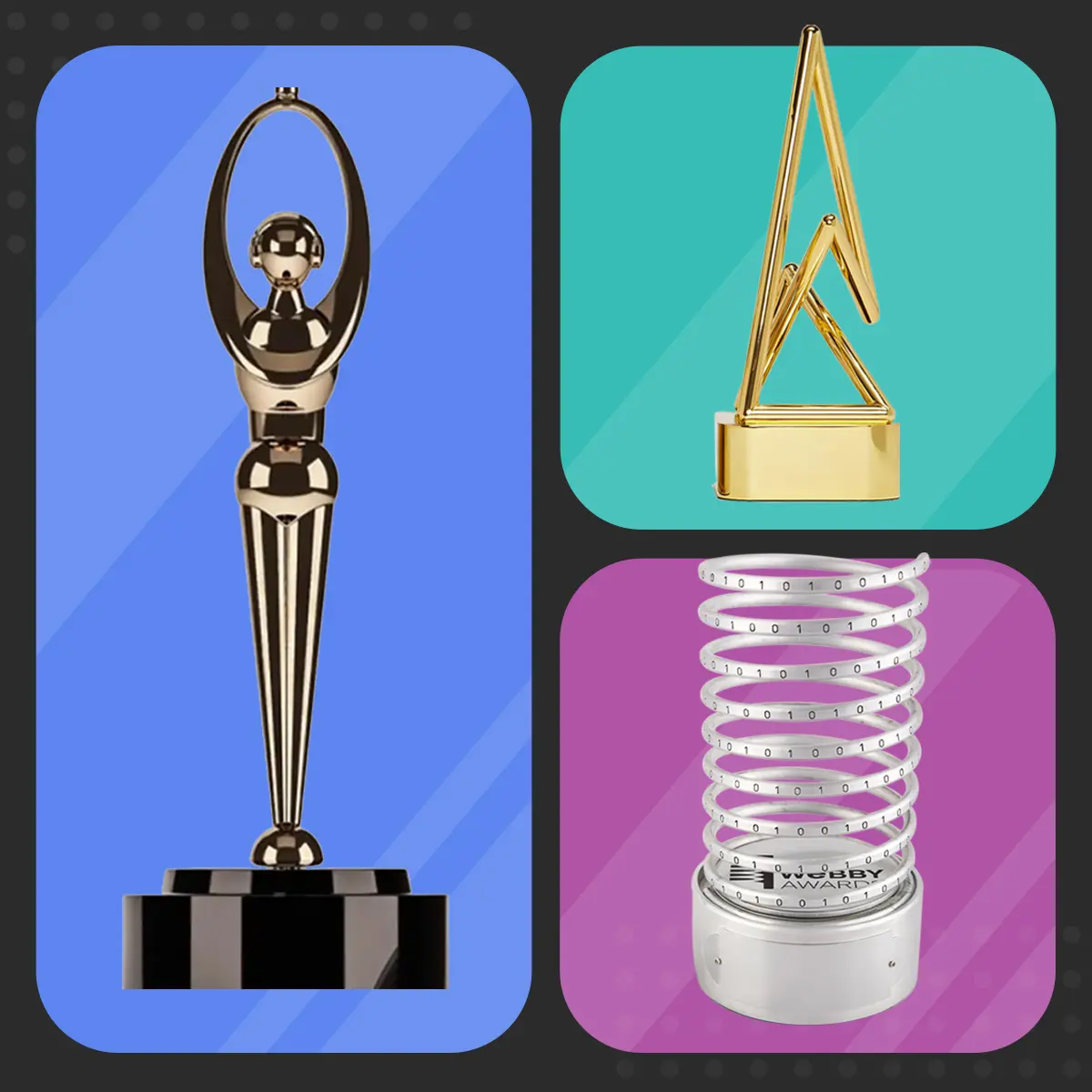
Awards like the Signal Awards, The Ambies, and juried digital media honors provide clearer frameworks for evaluating hosting, guest experience, and editorial contribution — areas where interview podcasts thrive.
Final Thoughts
There’s a difference between not being chosen and not being seen.
This experience offered something just as valuable as a nomination: clarity.
Clarity about where my work fits. Clarity about which awards align with my strengths. And clarity about when not to submit — without shame, frustration, or self-doubt.
That understanding is part of growth. And sometimes, it’s the real win.
Looking Ahead
This clarity doesn’t signal a step back — it sharpens the path forward. Knowing where not to submit is just as valuable as knowing where your work belongs. As awards bodies evolve, so do creators. Until categories expand to better reflect interview‑driven storytelling, the focus remains on institutions that recognize hosting, access, and conversation as a craft in itself.
That’s not a limitation. It’s direction.