





What if the line between imagination and reality didn’t really exist?
That’s the question at the heart of Sparks, one of the more quietly thought-provoking films to come out of SXSW this year.
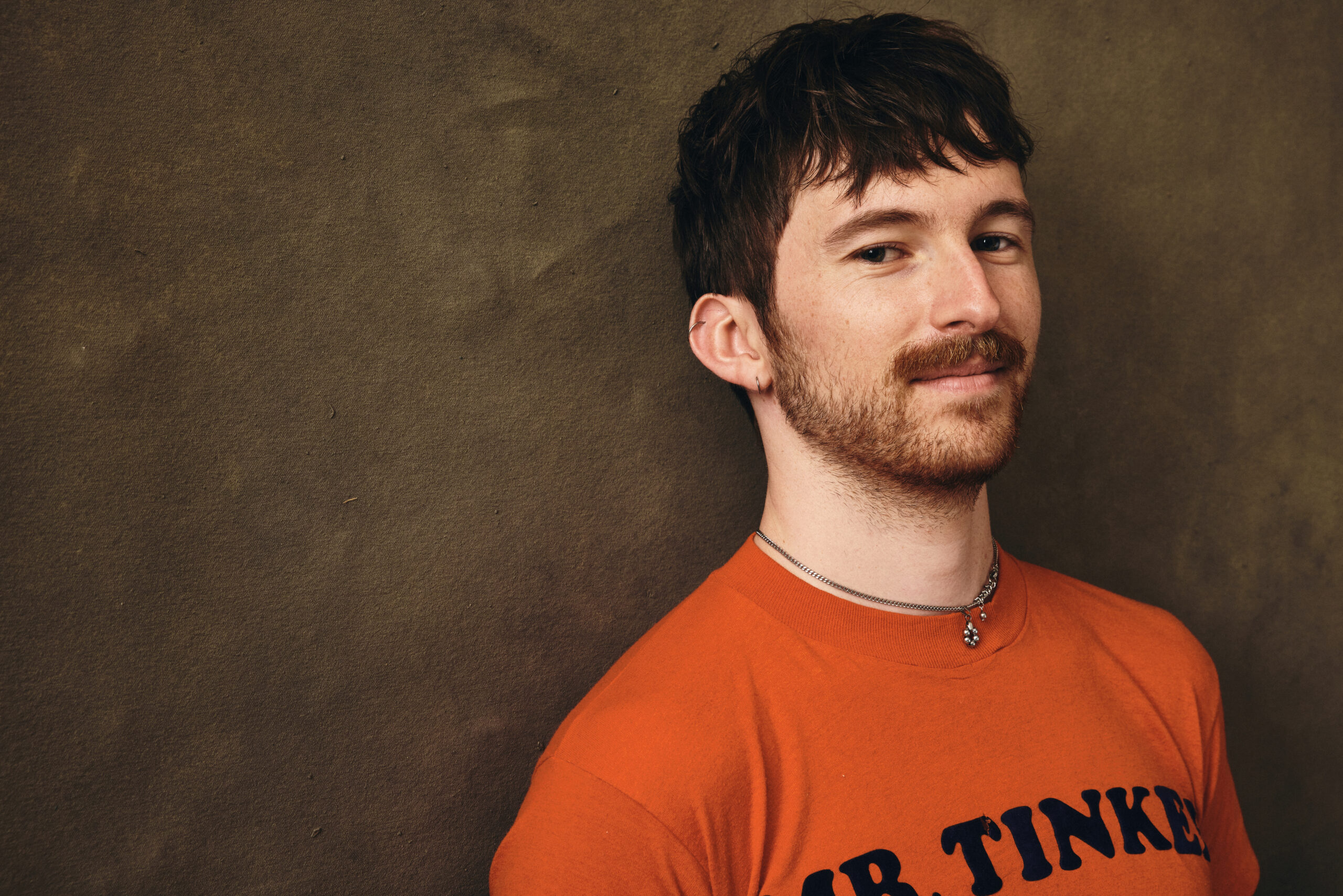
We spoke with writer and director Fergus Campbell about the film’s origins, its layered themes, and why ambiguity is at the core of its storytelling.
At its surface, Sparks feels familiar—a group of teenagers navigating friendship, identity, and the uncertainty of growing up. But as the story unfolds, it introduces something more abstract: the possibility of a time portal hidden within a reservoir.
What makes the film stand out is how subtly it handles that concept.
There are no over-the-top visual effects or heavy sci-fi exposition. Instead, the idea exists almost as a shared belief—something that may or may not be real, but deeply affects the characters nonetheless.
And that’s where the film thrives.
Campbell revealed that the story actually stems from an image he had as a child—someone submerging into water and emerging somewhere entirely different. That idea evolved over time, eventually becoming the emotional and thematic anchor of Sparks.
But beyond the sci-fi element, the film is really about identity.
Each member of “The Crop” represents a different facet of adolescence—comfort, curiosity, insecurity, and transformation. When Cleo enters their world, she disrupts that balance, forcing each of them to question who they are.
That disruption leads to some of the film’s most powerful moments—particularly when characters confront parts of themselves they may not have been ready to face.
And then there’s the ending.
Or rather… the question.
Did Cleo actually make it to 1960s Paris?
Or did she simply create her own version of it?
The film never gives a definitive answer—and according to Campbell, that’s intentional.
Because Sparks isn’t about proving whether something is real.
It’s about what happens when you believe it is.
Watch the interview with Fergus Campbell above.