






There are films that entertain—and then there are films that quietly unravel you. Ugly Cry is firmly the latter.
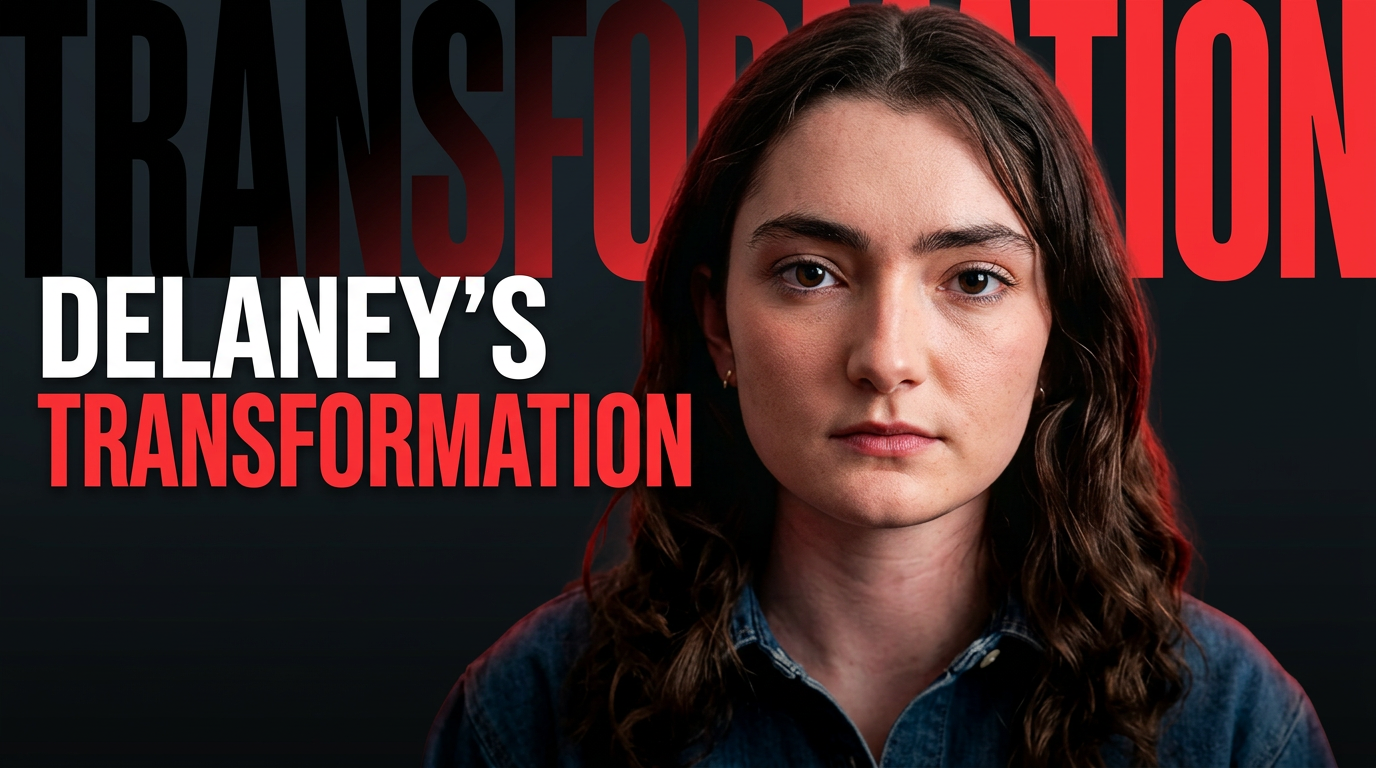
During my time covering SXSW, I had the opportunity to sit down with Emily Robinson—the writer, director, and star behind one of the festival’s most psychologically gripping indie films. What unfolded was a conversation not just about filmmaking, but about identity, obsession, and the dangerous pursuit of perfection.
From Idea to Film: A Long Road to SXSW
Robinson shared that Ugly Cry had been living in her mind long before cameras started rolling.
“I had been meditating on the film since mid to late 2022,” she explained, describing how the project began as an outline before evolving into a full script in early 2023. Like many indie productions, the journey wasn’t linear. Industry strikes caused delays, and the film went through “a year of starts and stops” before finally gaining momentum.
Once production companies came on board, things moved quickly—filming took place in just about a month, followed by nearly a year of post-production.
Now, the film arrives at SXSW, premiering less than a year after shooting wrapped—a turnaround that feels almost as intense as the story itself.
A Story of Obsession—and Recognition
Ugly Cry follows Delaney, an actress who becomes fixated on perfecting her emotional expression after being told she has an “ugly cry.” What begins as a professional note spirals into something much darker.
Watching the film, I couldn’t help but draw parallels to real-life cases of identity obsession—where admiration turns into imitation, and imitation into something far more unsettling.
When I brought this up to Robinson, she acknowledged how relatable that instinct can be—on both small and extreme scales.
“I think everyone has felt some level of that,” she said. “Like, ‘Do I want to be friends with that person, or do I want to be that person?’”
That question sits at the heart of Ugly Cry.
The Illusion of “Having It All”
One of the film’s most compelling dynamics comes through the character of Rachel (played by Heather Morris), a more established actress whose life seems enviable—until you look closer.
Robinson was intentional about this contrast.
Delaney sees Rachel as everything she wants to be. But Rachel herself is quietly struggling, grappling with relevance after her show is canceled. It’s a powerful reminder that in an industry obsessed with image, no one feels secure.
“To constantly want is a recipe for unhappiness,” Robinson said.
That idea echoes throughout the film—and lands hard.
When Performance Becomes Reality
As Delaney’s obsession deepens, the lines between performance and reality begin to blur. One of the most unsettling aspects of the film is watching her lose herself entirely—reciting lines in real-life moments, unable to separate who she is from who she’s trying to become.
It’s not just dedication. It’s disintegration.
Robinson described it as a form of self-objectification:
“She’s trying to escape herself… and become this thing.”
That transformation is what makes Ugly Cry so haunting. It’s not about fame—it’s about erasure.
A Riveting, Uncomfortable Watch
What struck me most while watching Ugly Cry was how hard it was to look away.
From physical transformations to emotional unraveling, the film is both mesmerizing and deeply unsettling. Delaney’s journey forces you to confront a difficult question:
How far would you go to be seen the way you want to be seen?
Because as the film shows, chasing perfection doesn’t just distort your image—it can completely disconnect you from who you are.
Premiering at SXSW
For Robinson, premiering at SXSW is a full-circle moment—and a first.
“I’ve never been to Austin,” she shared excitedly. “I’m going to eat so much food, see so many movies—I cannot wait.”
With multiple screenings throughout the festival, Ugly Cry is already generating buzz as a standout indie entry—one that lingers long after the credits roll.
Final Thoughts
Ugly Cry isn’t just a film about acting—it’s about identity in a world that constantly asks you to reshape yourself.
It’s unsettling. It’s thought-provoking. And above all, it’s painfully real.
Watch the full interview with Emily Robinson above.